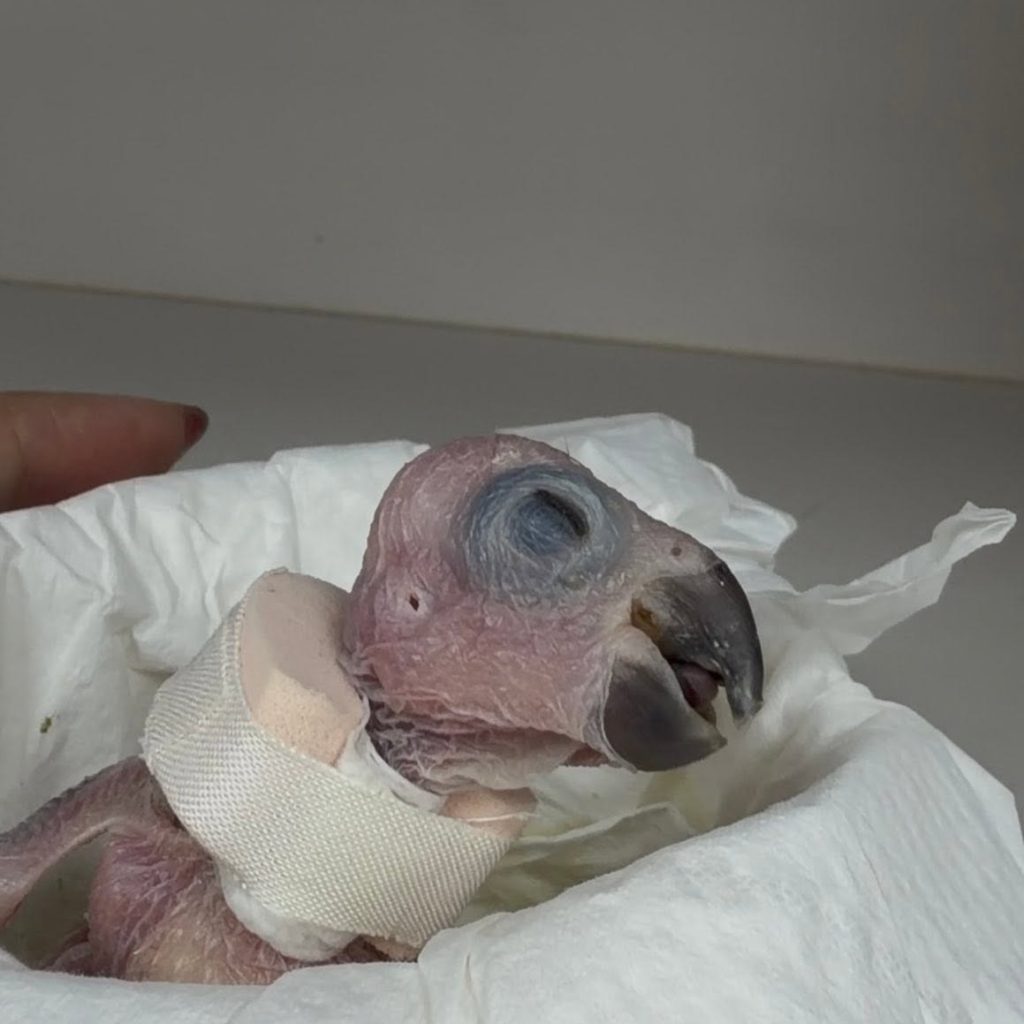
IMG_20250302_102358

Expert Avian Veterinary Services in The Eastern Seaboard!

Expert Avian Veterinary Services

We are pleased to announce the Special Clinic .

Professional avian veterinary care tailored for parrots, cockatiels, and exotic pets. From routine wellness exams to complex treatments, our specialists provide compassionate and expert care for your unique bird companions.
1. Disease Prevention & Management (การจัดการโรคและสุขภาพ)

  • Avian Health & Disease Prevention Center
  • Focus on early detection, common parrot diseases (like PBFD, Polyoma, or bacterial infections), quarantine protocols, and veterinary diagnostics.
  • “Protect your bird from common illnesses. We provide guidelines on recognizing early signs of disease, vaccination schedules, and diagnostic testing for Quakers, Cockatiels, and other exotics to ensure long-term health.”

2. Avian Nutrition & Dietetics (โภชนาการอาหาร)

  • Parrot Nutrition & Balanced Diet Hub
  • Move beyond seeds; focus on pellet-based diets, fresh vegetable integration, calcium supplementation, and specific nutritional needs for breeding, molting, or growing chicks.
  • “A healthy bird starts with a healthy diet. Learn how to transition your pet from a seed-only diet to a balanced, pellet-based nutrition plan, including essential vitamins and minerals for optimal growth and feather quality.”

3. Surgical & Specialized Medical Care (การผ่าตัดและการรักษาเฉพาะทาง)

  • Exotic Bird Surgery & Advanced Care
  • Cover minimally invasive surgeries (such as sexing, crop tube placement, or tumor removal), post-operative care, wound management, and specialized treatments for fractures or beak/clip procedures.
  • “Advanced surgical solutions for avian patients. From sexing and crop issues to orthopedic repairs and minor surgeries, we offer expert care with a focus on minimal stress and rapid post-operative recovery for your feathered companion.”
hamster

Hamsters

HAMSTERS

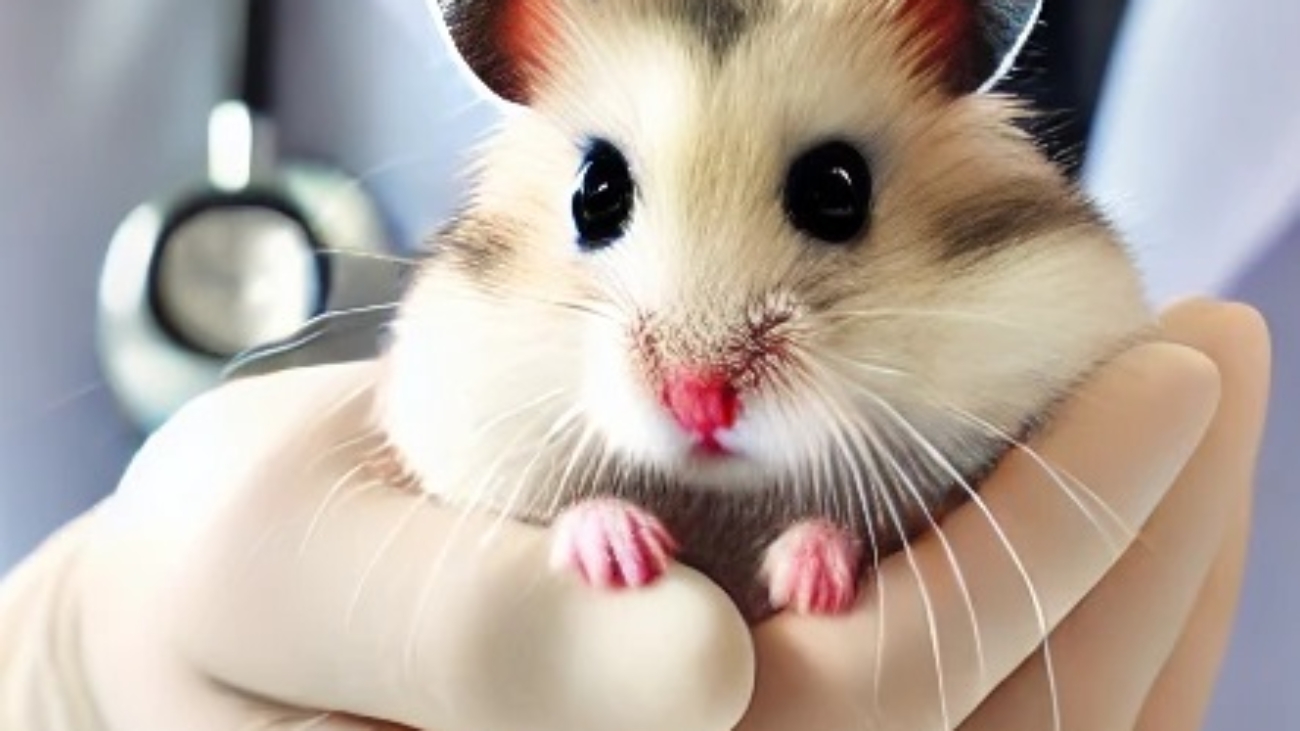
Hamsters are cute little animals with short legs and a small tail. Depending on the kind, they range in size from two to six inches in length. Because they have poor vision. hamsters rely on their ears, nose, and whiskers to investi- gate their surroundings. Their keen sense of smell helps them find food and even helps them to recognize their owner.

Hamsters have large cheek pouches that extend down over their shoulders. They use their pouches to carry food back to their nest to store. In the wild the habit of hoarding food helps hamsters survive when food is scarce.

Both males and females use urine, feces, and skin gland secretions to scent mark. In the wild male and female hamsters use scent marks to delineate their territory, to attract a mate, and to commu- nicate. Dwarf hamsters have skin glands on their bellies. The better-known Syrian (or golden) hamsters have skin glands on their hips.

HAMSTER HISTORY

Hamsters were first coveted by medical researchers in China during the early 1920s when it was discovered that the striped or Chinese hamster (Cricetulus griseus) was very

susceptible to infection with Leishmania donovani, the protozoan organism that causes Kala-azar. This disease afflicts people in India. China. Russia, Africa, the Mediterra- nean basin, and several South and Central American coun- tries. The Chinese hamster was the first satisfactory laboratory animal for the study of Leishmaniasis.

Farmers were paid by the researchers for each hamster they dug up in their grain fields. The supply was ample and thousands were used. The hamsters were kept in isolated cages because if they were placed together. Hamsters have cheek pouches that are used to store food

exotic pets

Example of Exotic Pets

Example of Exotic Pets

1. Mammals

  • Primates: Capuchins, marmosets, or tamarins (high maintenance, often require permits)
  • Small Carnivores: Fennec foxes, raccoons, kinkajous
  • Marsupials: Sugar gliders, wallabies
  • Rodents: Degu, chinchillas, Gambian pouched rats , Hamsters , guinea pigs , rabbits

2. Birds

  • Macaws, cockatoos, and toucans (intelligent and require social interaction)
  • Exotic pigeons or doves
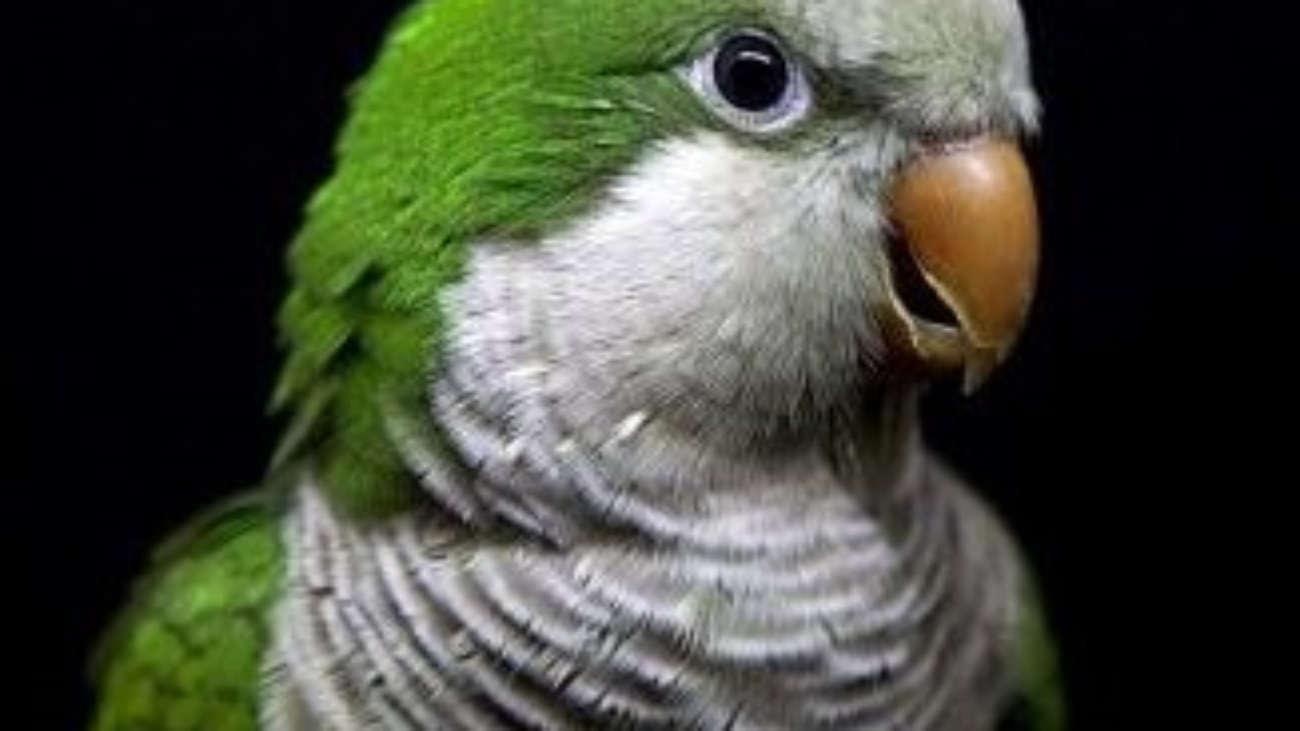
  • Quaker parrots (regulated in some regions due to their invasive potential)

3. Reptiles

  • Lizards: Bearded dragons, geckos (e.g., leopard or crested), monitor lizards
  • Snakes: Ball pythons, corn snakes, boa constrictors
  • Turtles and Tortoises: Red-footed tortoise, sulcata tortoise, Indian star tortoise

4. Amphibians

  • Poison dart frogs (non-toxic in captivity)
  • Axolotls (aquatic salamanders)
  • Pacman frogs

5. Fish

  • Freshwater: Arowanas, discus fish, or pufferfish
  • Marine: Clownfish, seahorses, lionfish

6. Invertebrates

  • Arachnids: Tarantulas, scorpions
  • Insects: Praying mantises, stick insects
  • Crustaceans: Hermit crabs, fiddler crabs

7. Unique Species

  • Hedgehogs
  • Skunks (de-scented versions in some places)
  • Exotic amphibians like caecilians